
Air Source vs Ground Source Heat Pumps
The real differences in cost, efficiency and installation, and why most Irish homes go for air source.
Grant figures confirmed against SEAI
Air Source vs Ground Source Heat Pumps, Side by Side
Air source vs ground source is the first real decision when moving to a heat pump. Both pull renewable heat into your home and both qualify for the SEAI grant, but they differ sharply on install cost and groundwork. For most Irish homes the answer is air source.
Air source heat pump
€12,000 – €18,000
- Extracts heat from outdoor air
- Lower install cost, no groundwork
- Quick to install, days not weeks
- Well suited to the mild Irish climate
Ground source heat pump
€20,000 – €30,000
- Extracts heat from underground pipes
- Higher efficiency, stable ground temperature
- Needs space for loops or a borehole
- Best on larger rural sites
Cost, Installation and Efficiency in the Irish Climate
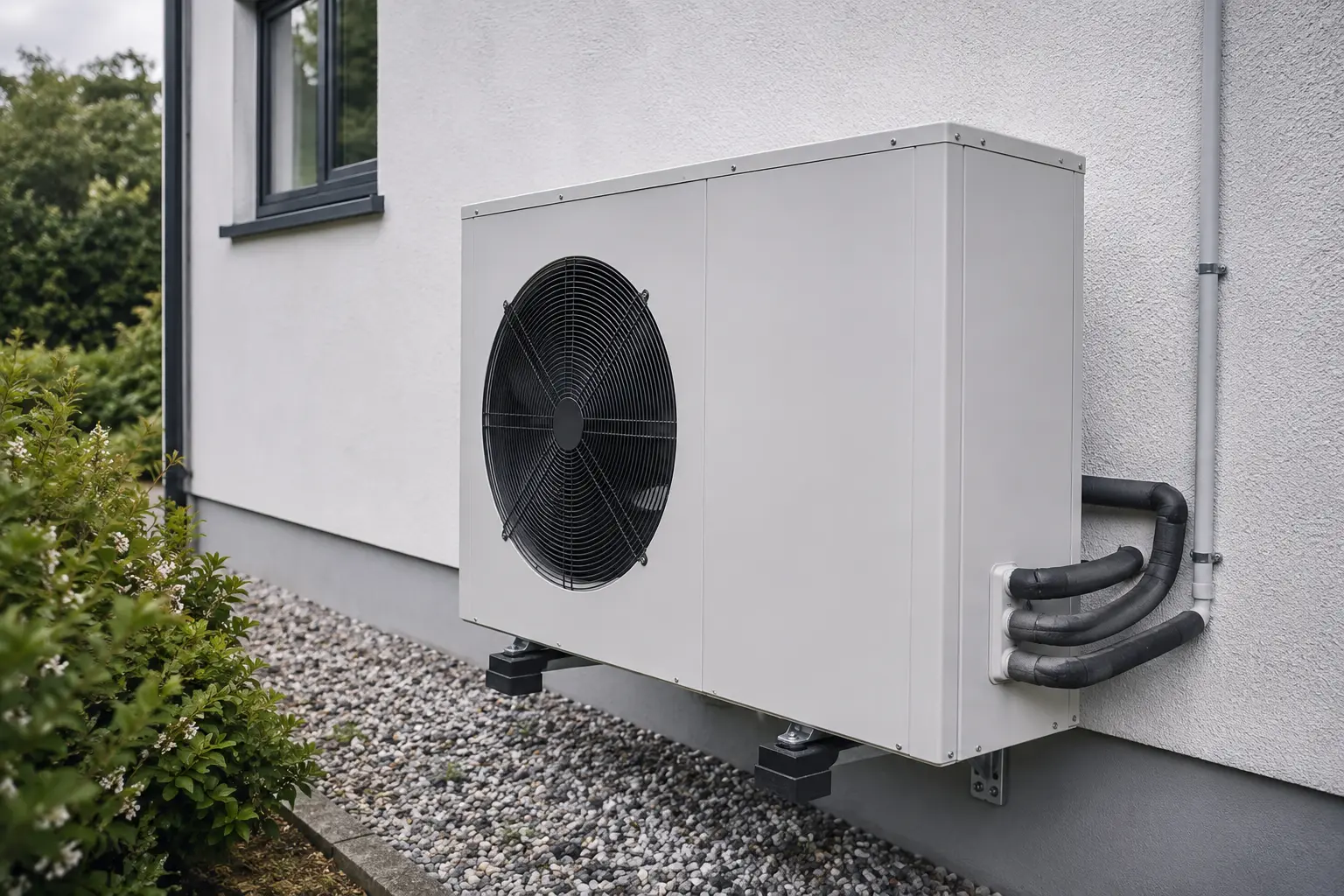
The gap is groundwork. An air source heat pump mounts a unit beside the house and connects to your heating, so it installs in a few days for €12,000 to €18,000 before grants. A ground source system needs trenched ground loops or a drilled borehole, which pushes the price to €20,000 to €30,000 and the timeline out by weeks.
Ground source is more efficient because underground temperature stays stable all year, so the system works less hard in the cold. Air source efficiency dips slightly in a hard frost, but Ireland's mild, damp climate rarely gets cold enough for that to matter, which is why air source performs so well here for a fraction of the cost.
Find an installer near youAir Source vs Ground Source, Answered
What is the difference between air source and ground source heat pumps?
An air source heat pump extracts heat from outdoor air through a unit on the wall or ground beside the house. A ground source heat pump extracts heat from underground pipes or a borehole. Air source is cheaper to install, ground source is more efficient over its lifetime.
Which is cheaper, air source or ground source?
Air source is much cheaper to install, typically €12,000 to €18,000 before grants, because there is no groundwork. Ground source runs €20,000 to €30,000 due to the ground loops or borehole.
Which is more efficient?
Ground source is more efficient because ground temperature is stable year-round, so the system works less hard in winter. Air source efficiency dips in very cold weather but is more than adequate for the Irish climate.
Which should I choose for an Irish home?
Most Irish homes choose air source. It is far cheaper, quicker to install, and well suited to the mild Irish climate. Ground source makes sense on larger rural sites with the space and budget for groundwork.
Do both qualify for the SEAI grant?
Both air-to-water and ground source heat pumps are covered by the SEAI heat pump grant, worth up to €12,500 (as of July 2026). SEAI requires a registered installer, so check the installer is on the SEAI register and confirm the current amount and your home's eligibility on the SEAI website.
Is air source enough for a cold Irish winter?
Yes. Air source heat pumps are sized for Irish conditions and keep homes warm through a normal winter. Efficiency dips only in rare hard frosts, which the mild, damp Irish climate seldom reaches.
How long does each system take to install?
An air source system is usually a few days, because the unit mounts beside the house and connects to your existing heating. A ground source system runs to weeks, because the ground loops have to be trenched or a borehole drilled before anything else happens.
How much space does a ground source heat pump need?
Enough ground for horizontal loops, or the access and budget for a drilled borehole where the area is not there. That is why ground source suits larger rural sites and why a typical suburban plot rules itself out on space alone.
Does ground source cost less to run?
It is more efficient, because underground temperature stays stable all year and the system works less hard in winter. Air source efficiency dips slightly in a hard frost, but Ireland rarely gets cold enough for long enough for that to outweigh the much lower install cost.
More on Heat Pumps and SEAI Grants
 SEAI heat pump grant explained How the grant of up to €12,500 (as of July 2026) works and how to apply. Read guide
 Heat pump cost in Ireland What air source and ground source cost, before and after grants. Read guide
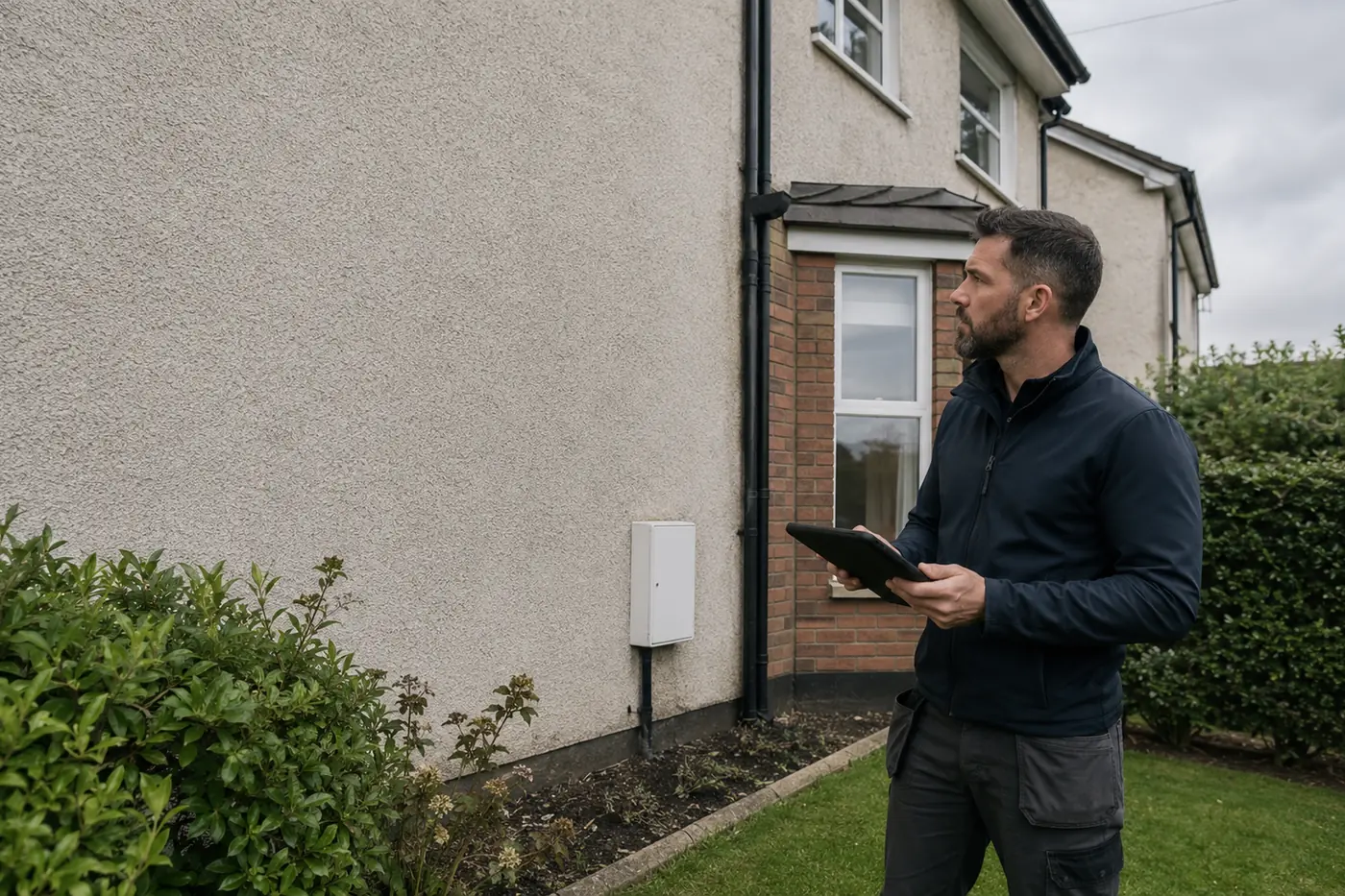 Is my home suitable for a heat pump? Insulation, BER and radiators that decide suitability. Read guide
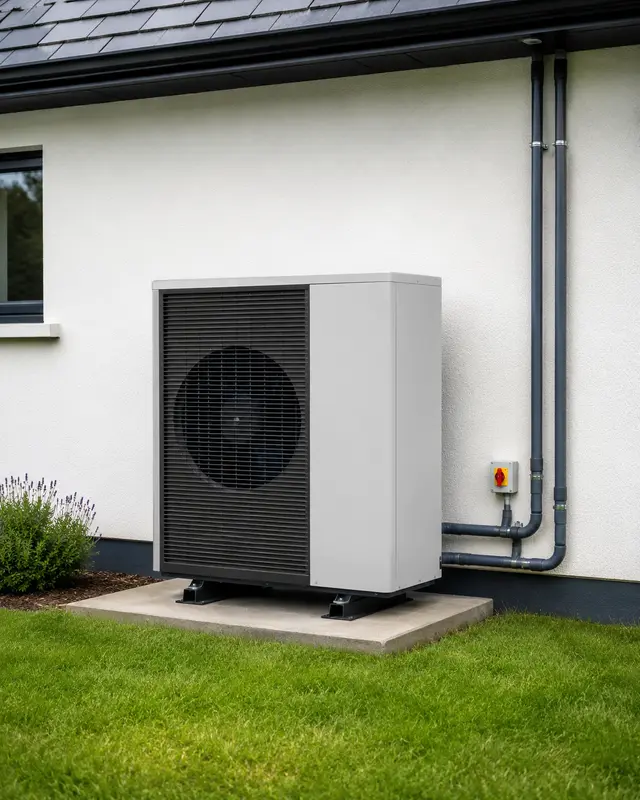 Heat pump installers in Ireland Find heat pump installers listed from the SEAI register, county by county. Read guide
Air Source vs Ground Source Heat Pumps Compared
The two systems on the points that actually decide it for an Irish home: cost, groundwork, timeline and efficiency.
| Air source heat pump | Ground source heat pump | |
|---|---|---|
| Installed cost | €12,000 to €18,000 before grants | €20,000 to €30,000 before grants |
| Where the heat comes from | Outdoor air, through a unit beside the house | Underground pipes or a drilled borehole |
| Groundwork needed | None | Trenched ground loops or a borehole |
| Installation time | A few days | Weeks, because of the groundwork |
| Efficiency | Dips slightly in a hard frost, rarely an issue in the Irish climate | Higher, because ground temperature stays stable all year |
| Best suited to | Most Irish homes, including suburban sites | Larger rural sites with the space or budget for loops |
Both systems qualify for the same SEAI heat pump grant, so the grant does not decide between them. For most Irish homes the deciding factor is whether the site has room for ground loops at all.
Let an Installer Confirm the Right Heat Pump for Your Home
Air source vs ground source comes down to your site and budget. An installer can advise on which suits your site, and both systems are covered by the SEAI grant of up to €12,500 (as of July 2026), so confirm the current amount with SEAI.
For most Irish homes the question answers itself on the day. Ground source needs either the garden area for horizontal loops or the budget for a borehole, and a typical suburban site has neither. Where the ground and the budget are both there, the higher efficiency pays back over the life of the system.