
Solar Panel Installers in Ireland
SEAI-registered solar panel installers across all 26 counties. Grant-eligible, verified and ready to quote.
Grant figures confirmed against SEAI
What a Solar Panel Installer Does, and Why Registration Matters
Solar panel installers in Ireland fit photovoltaic (PV) panels that turn daylight into electricity, cutting the amount you buy from the grid and, with a battery, storing what you do not use during the day. The one thing that decides whether you can claim the SEAI solar PV grant is that the installer is registered with SEAI.
Every solar panel installer listed on hvacinireland.ie is drawn from the official SEAI register. Choosing an unregistered installer would forfeit the grant, which is why registration is checked on every listing. From there you contact the installer directly, with no middleman and no lead-selling.
Signs Solar Panels Are Right for Your Home
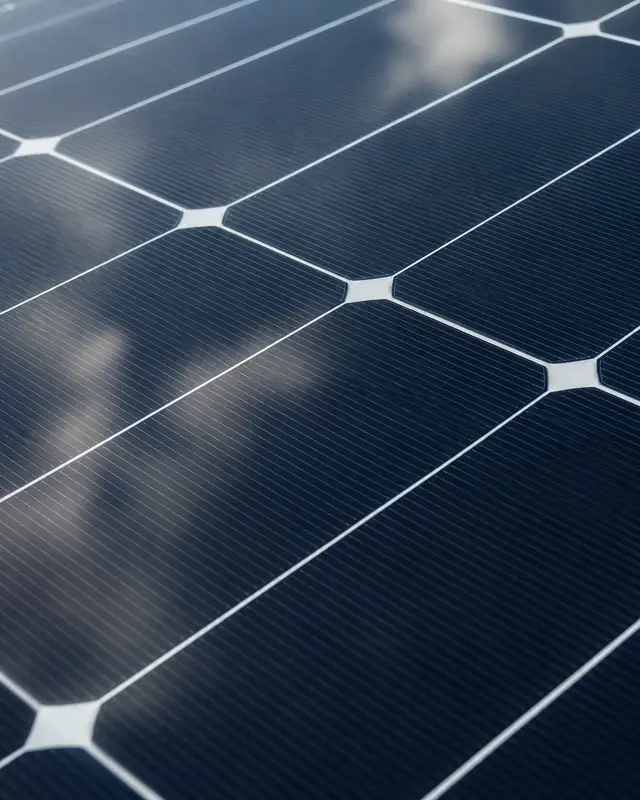
Solar panels are right for your home when your roof faces roughly south, or splits east to west, and catches plenty of unshaded daylight while your household is using electricity. The stronger your daytime use, the more of what the panels generate you keep rather than exporting, and the faster the system pays back.
- Your roof faces south, or east to west, with a decent unshaded pitch
- You use a good share of your electricity during daylight hours
- You run an EV or a heat pump, or plan to add one soon
- The roof stays clear of heavy shade from trees, chimneys or nearby buildings
- You plan to stay in the home long enough to enjoy the savings
Every solar PV system needs a registered electrician to certify the wiring and connect it safely to the grid. For a RECI-registered electrician near you, electriciansinireland.ie lists verified contractors across all 26 counties.
What a Solar Installation Includes in the Price
A domestic solar PV system typically costs between €5,000 and €12,000 depending on the number of panels and whether you add a battery.
Price is driven by system size. A small array to offset daytime use starts around €5,000, while a larger system with battery storage runs towards €12,000, and the SEAI solar PV grant of up to €1,800 (as of July 2026) reduces the net figure from there. For a full breakdown by system size, with and without a battery, see solar panel cost in Ireland.
That installed price covers far more than the panels themselves. A typical quote includes the panels, the inverter that converts their output into electricity your home can use, the roof mounting and brackets, the cabling and isolation, the scaffolding for the work, and the grid application. A battery, if you choose to add one, is the single biggest cost on top.
Where you land in the range comes down to your roof and your goals. A simple, unshaded pitch is quicker and cheaper to fit than a steep or awkward roof, while adding battery storage or an EV charger pushes the figure up. The only way to a firm number is an itemised quote after a survey, so ask for the panels, inverter, mounting and any battery listed separately.
A solar PV connection also needs a registered electrician to certify the work and register it with the grid, so check that any quote includes it. For RECI-registered electricians, electriciansinireland.ie lists verified contractors nationwide.
How to Choose a Solar Panel Installer in Ireland
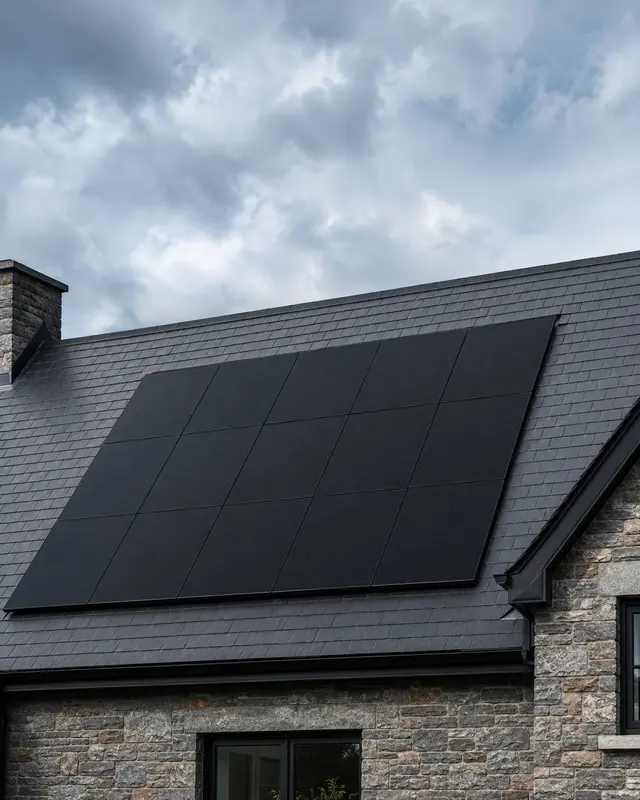
Choosing a solar panel installer in Ireland comes down to a handful of checks that protect both your roof and your grant. Registration is the first, because only an SEAI-registered installer can unlock the solar PV grant, and the rest separate a careful, well-sized job from a rushed one.
SEAI Registration
Confirm the installer is on the official SEAI register. It is a requirement for the solar PV grant, and every installer listed here already carries it.
A Proper Roof and Shading Survey
A good installer surveys your roof orientation, pitch, structure and shading before quoting, rather than pricing an array blind. The survey confirms how many panels fit and how they will perform.
An Itemised Written Quote
Ask for the panels, inverter, mounting, any battery and the electrical work listed separately, so you can see what the grant covers and exactly what you pay.
References and Recent Installs
Ask for recent solar installs in your county and a workmanship warranty on the roof penetrations. Local experience with Irish housing and weather matters.
Clear Grant Handling
The installer should walk you through the SEAI application and how the grant is calculated from your system size. The paperwork only works when a registered installer does the job.
The Registered Electrician
Solar panels need certified wiring and a grid connection. Check the installer works with a registered electrician who signs off the connection.
Solar PV System Sizes Compared
Most Irish homes land on a mid-sized array, but a smaller or larger system can suit particular households. Here is how three common solar PV system sizes compare on cost, grant, roof space and what each suits. All figures are indicative and confirmed by a survey.
| Small (~2 kWp) | Most common Typical (~4 kWp) | Large (~6 kWp+) | |
|---|---|---|---|
| Typical cost | €4,000 – €6,000 | €6,000 – €9,000 | €9,000 – €12,000+ |
| SEAI grant | Around €1,400 | Up to €1,800 | Up to €1,800 (capped) |
| Roof space | Around 10 m² | Around 20 m² | 30 m² or more |
| Best for | Smaller homes, modest daytime use | Most family homes | High daytime use, an EV or heat pump |
| Battery option | Optional | Popular add-on | Usually recommended |
For most Irish homes a typical array of around 4 kWp is the balance of cost, grant and everyday daytime use. A smaller system suits a modest household or a tighter roof, while a larger system earns its keep where an EV, a heat pump or heavy daytime use pushes electricity demand up. All figures are indicative, and a roof survey sizes the array to your actual use.
Solar Panel Savings and Payback in Ireland
Solar panel savings come mainly from the electricity you no longer buy, because every unit the panels generate and you use straight away is a unit you do not pay the grid for. The more of your day-to-day use you can shift into daylight hours, the more you keep, and that is what drives the payback.
Power you generate but do not use is not wasted. Under the Clean Export Guarantee your supplier pays you for the electricity you export to the grid, which adds to the saving. Typical payback is often framed at around the medium term, though it is indicative and depends on your use, tariff and export rate. Pairing panels with a heat pump soaks up more of what you generate and strengthens the case for both.
- Offsetting daytime grid use is the main saving, so match use to daylight where you can
- The Clean Export Guarantee pays you for surplus power sent back to the grid
- Payback is indicative and varies with your electricity use, tariff and export rate
- A battery or a heat pump lets you use more of what the panels generate yourself
Solar PV Panels in Every County
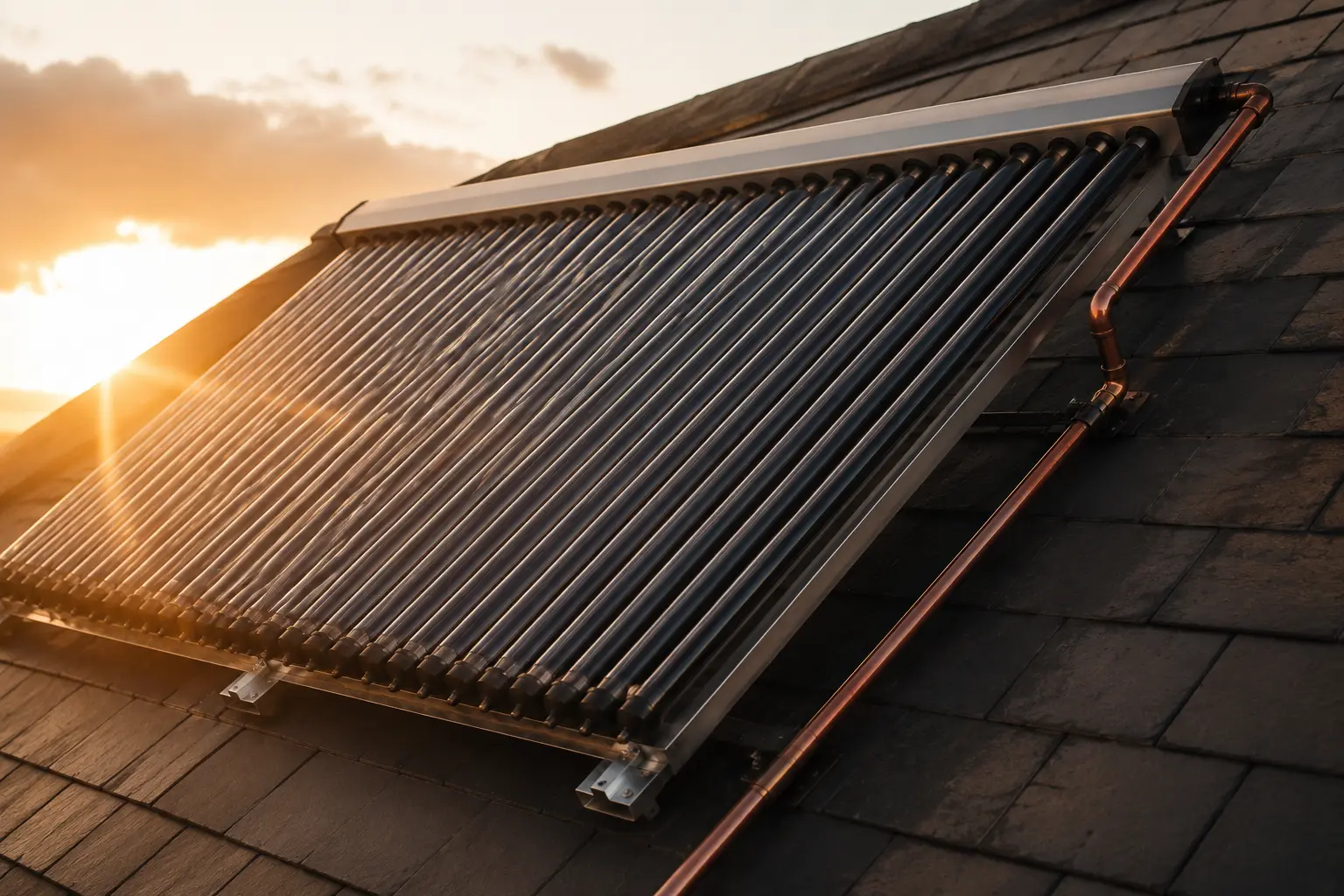
Pick your county to see SEAI-registered solar panel installers covering your area.
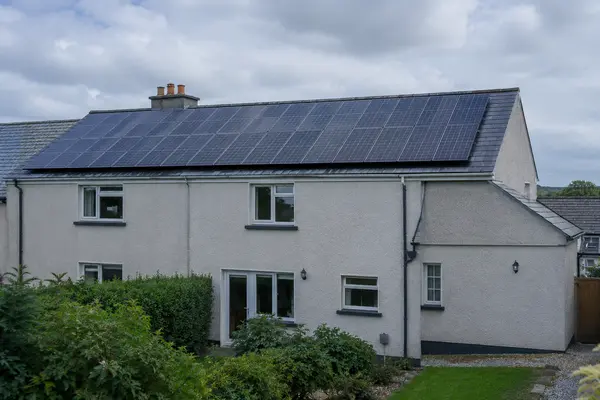
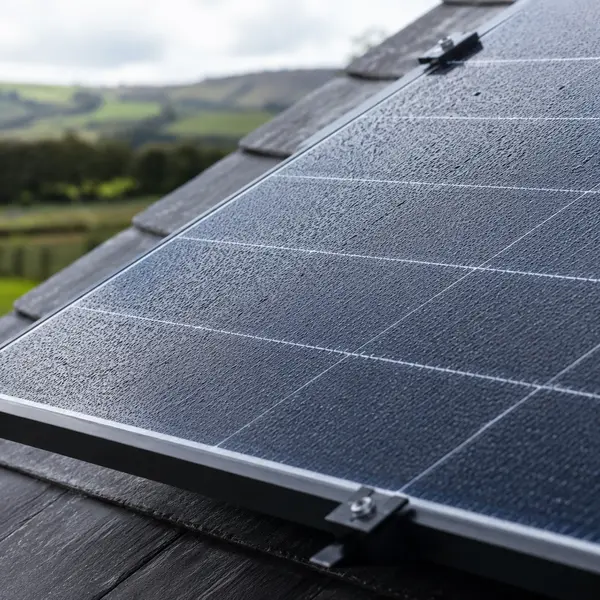
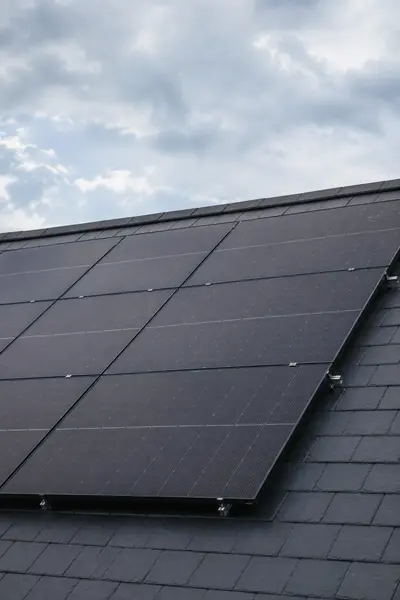
The SEAI Solar PV Grant
The SEAI solar PV grant supports solar panel installations up to a set capacity, worth up to €1,800 towards a typical domestic system as of July 2026. To claim it, the installer must be registered with SEAI, and every solar panel installer listed here carries that registration.
Solar pairs well with a heat pump. Panels offset the extra electricity a heat pump draws, which improves the running-cost case for both, so many homeowners fit them together.
- SEAI solar PV grant of up to €1,800
- Installer must be SEAI-registered, every listed installer is
- Grant-eligible and ready to quote across all 26 counties
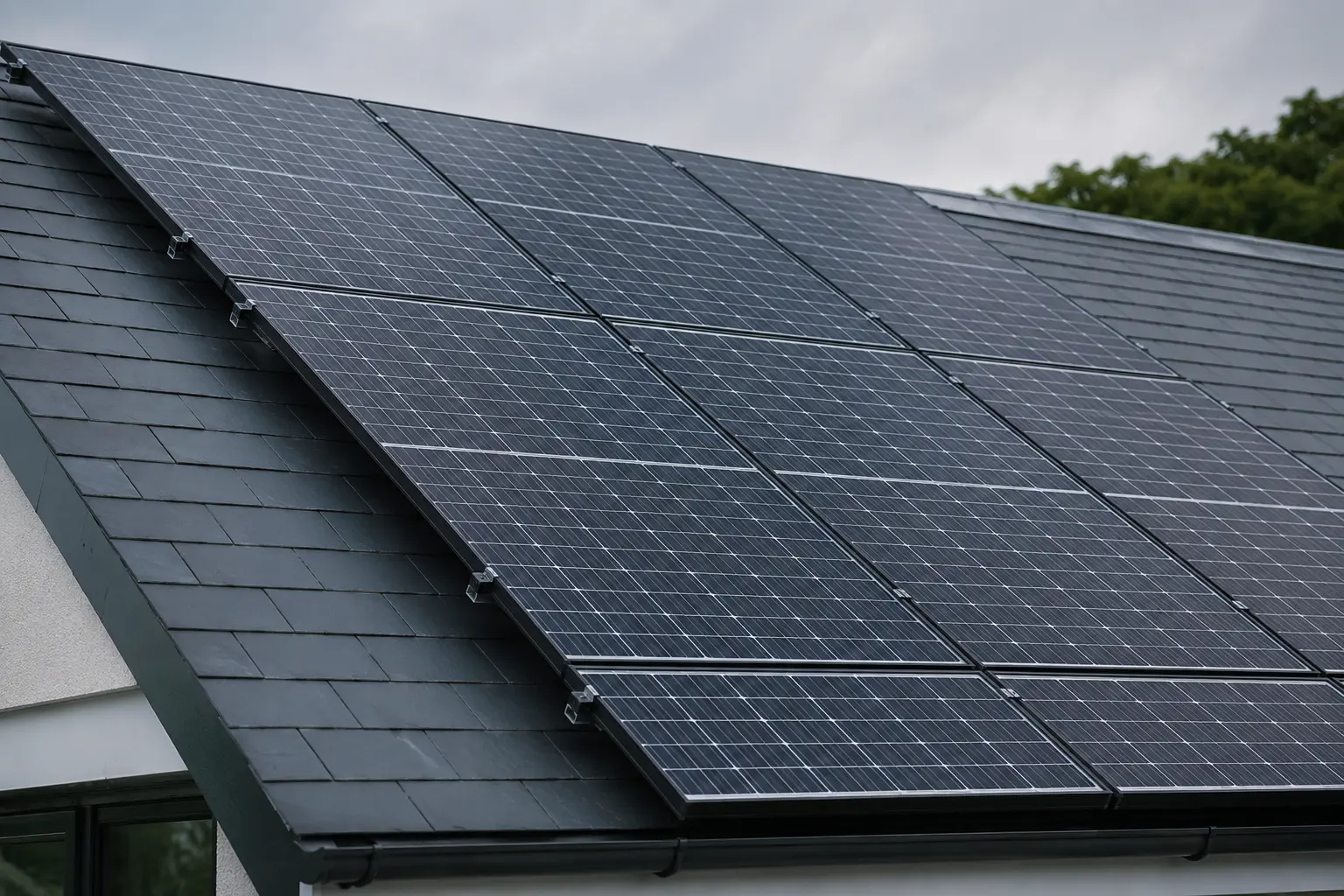
From Choosing an Installer to a Working Solar Array
Solar panel installation follows the same path for most Irish homes.
Choose an SEAI-Registered Installer
Pick a solar panel installer in your county from the listings. Every installer here is on the official SEAI register, which is required to claim the grant.
Book a Roof Assessment
The installer assesses your roof orientation, pitch and shading, and sizes the system to your electricity use. South-facing roofs perform best, but east-west arrays work well too.
Installation and Grid Connection
Panels and an inverter are fitted, usually in a day or two, and a registered electrician certifies the work and registers it with the grid.
Apply for the SEAI Grant
You apply to SEAI once the work is complete. SEAI pays the solar PV grant directly into your bank account, usually within six to eight weeks.
Solar PV Panels by County
SEAI-registered solar panel installers cover every county in Ireland, from Dublin and Cork to Galway, Mayo and Donegal. Pick your county to see who covers your area and how many installers are listed.
Solar Panel Installers in Ireland, Answered
How much do solar panels cost in Ireland?
A domestic solar PV system typically costs between €5,000 and €12,000 depending on the number of panels and whether you add battery storage. The SEAI solar PV grant of up to €1,800 reduces the net cost.
Do solar panels work in Irish weather?
Yes. Solar PV panels run on daylight, not direct sunshine, so they still generate on the bright overcast days that make up much of the Irish year. Output is lower in winter and higher across the long summer days, and a well-sized array is planned around that spread.
How many solar panels do I need?
Most Irish homes fit somewhere between six and sixteen panels, sized to your electricity use and the space on your roof. A typical family home often lands around a 4 kWp array. The installer confirms the right number during the roof survey rather than guessing from the outside.
Do I need a south-facing roof?
South-facing roofs give the best output, but east-facing and west-facing roofs work well too, spreading generation across the day. The installer assesses your roof during the survey.
Do I need battery storage with solar panels?
No, a battery is optional. Panels save you money without one by offsetting the electricity you use during daylight. A battery stores surplus power for the evening and lets you use more of what you generate, so it suits homes that are out during the day or want to lean less on the grid.
What SEAI grant is available for solar panels?
The SEAI solar PV grant is worth up to €1,800 for a domestic system as of July 2026, calculated from your system size and provided the installer is registered with SEAI. Every installer listed here is SEAI-registered.
What is the export payment for solar panels?
Under the Clean Export Guarantee, your electricity supplier pays you for the surplus power your panels send back to the grid. The rate varies by supplier, so it is worth comparing, and the payment adds to the saving you make from the electricity you use directly.
Do I need planning permission for solar panels?
For most Irish homes, roof-mounted solar panels are exempt from planning permission, and the rules were widened so more of the roof can be used without a planning application. Some conditions still apply near certain protected sites, so your installer confirms the position for your property during the survey.
How long do solar panels last?
Solar panels typically last twenty-five years or more, and most carry performance warranties over that period. Output eases very gradually across their life. The inverter is the part most likely to need replacing sooner, usually somewhere around the ten to fifteen year mark.
Do solar panels work with a heat pump?
Yes, and they pair well. Solar panels offset the extra electricity a heat pump draws, improving the running-cost case for both, which is why many homeowners install them together.
Read Up Before You Choose a Solar Panel Installer
SEAI grants explained
How the SEAI home energy grants work and how to apply.
Read the guide
Heat pump cost in Ireland
What a heat pump costs, before and after grants.
Read the guide
Is my home suitable?
Whether your home is ready for renewable heating.
Read the guide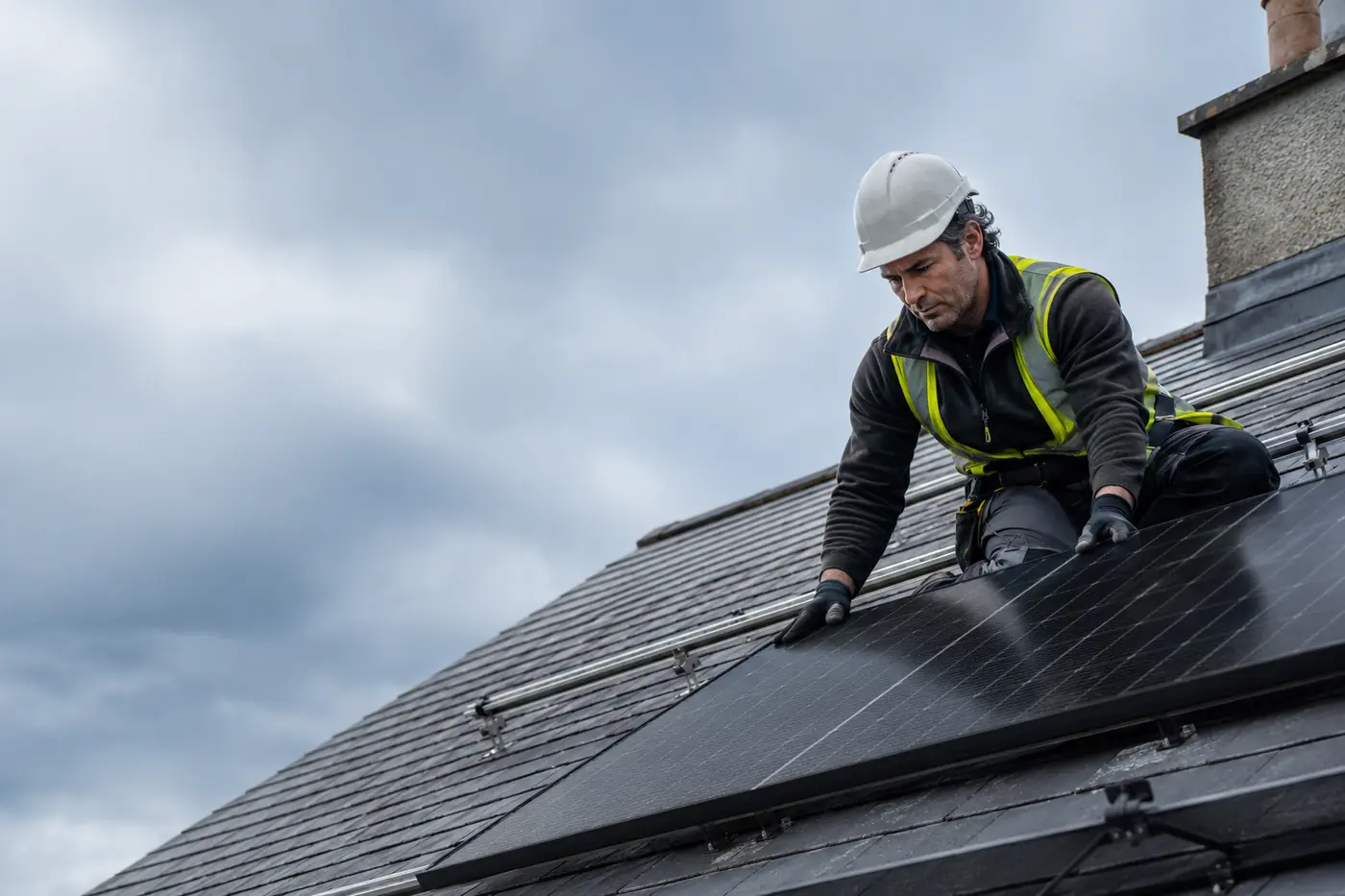
Solar panel cost in Ireland
What a solar PV system costs by size, with and without a battery.
Read the guideGet Quotes From SEAI-Registered Solar Panel Installers Near You
Solar panel installers in Ireland are free to contact here, with no obligation. Every installer is SEAI-registered and grant-eligible for the solar PV grant.
Free to use, no obligation, every installer SEAI-registered