
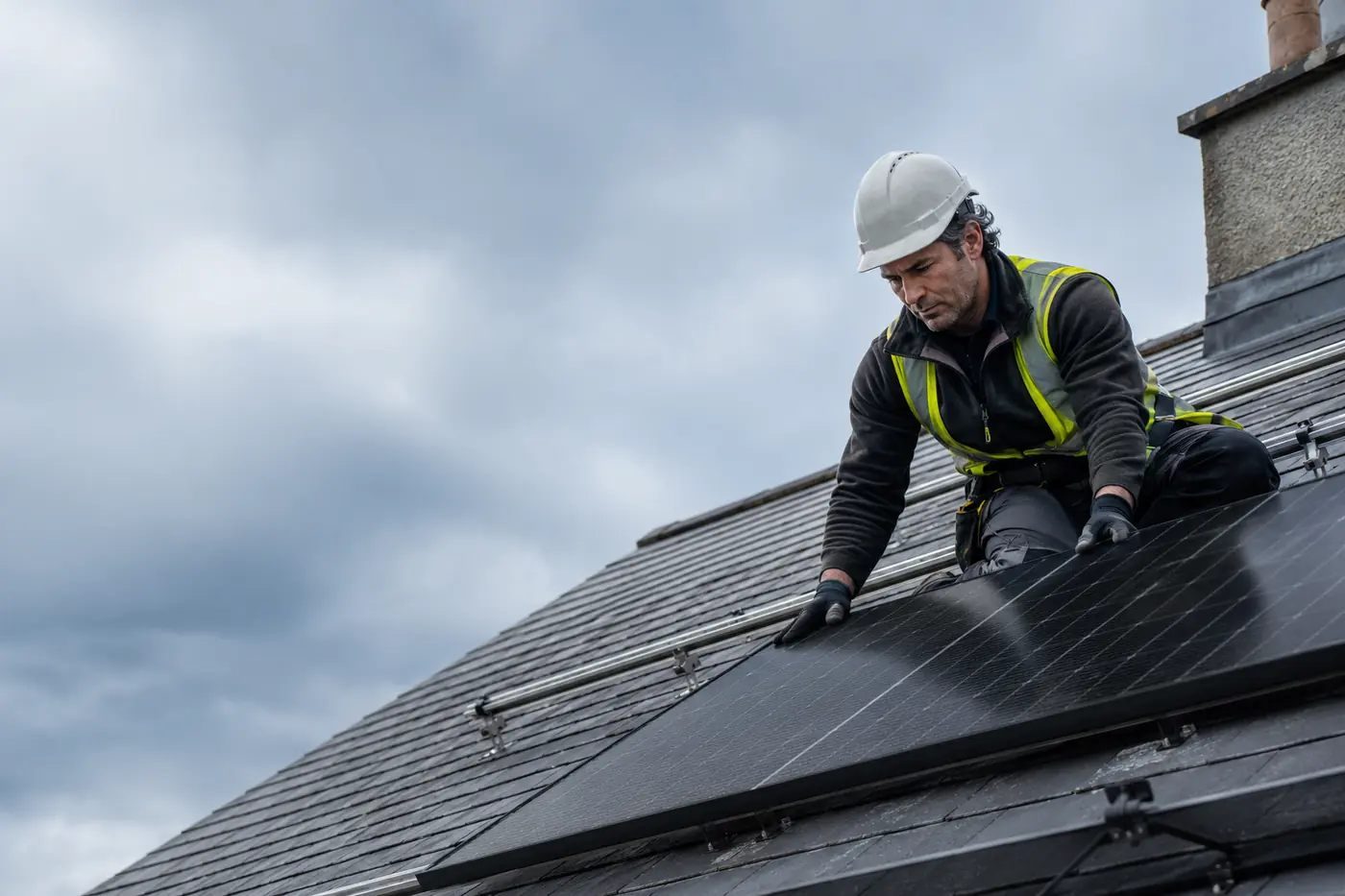
Solar panel cost in Ireland
What a solar PV system costs by size, with and without a battery, and what the SEAI grant of up to €1,800 brings it down to.
Grant figures confirmed against SEAI
Solar Panel Cost in Ireland, Before and After the Grant
Solar panel cost in Ireland depends mostly on system size and whether you add a battery. A standard 4 kWp system for a family home runs between €8,000 and €12,000 before grants, which the SEAI solar PV grant of up to €1,800 (as of July 2026) brings down. The figures below are typical installed prices, not equipment only.
Small System (Around 2 kWp)
€5,000–€7,000
Net €3,900–€5,900
Roughly 5 to 6 panels. Offsets daytime use in a smaller home or apartment.
Standard System (Around 4 kWp)
€8,000–€12,000
Net €6,200–€10,200
The typical family-home size, 10 to 12 panels. The most common choice in Ireland.
System with Battery Storage
€10,000–€16,000
Net €8,200–€14,200
Adds a battery to store daytime generation for evening use. Higher upfront, more self-use.
What Affects the Price of a Solar Panel Installation
Three things drive most of the difference between one solar quote and the next.
System Size and Number of Panels
The biggest driver is how many panels you fit. A larger array generates more but costs more, so the right size is the one that matches your electricity use rather than the biggest roof will take.
Battery Storage
A battery lets you use solar power in the evening instead of buying from the grid, which improves the running-cost case. It is the single biggest optional add-on, typically €2,000 to €4,000 on top.
The Electrical Connection
A solar PV installation has to be certified and registered with the grid by a registered electrician. For RECI-registered electricians, a registered electrician can handle the connection and any consumer-unit work.
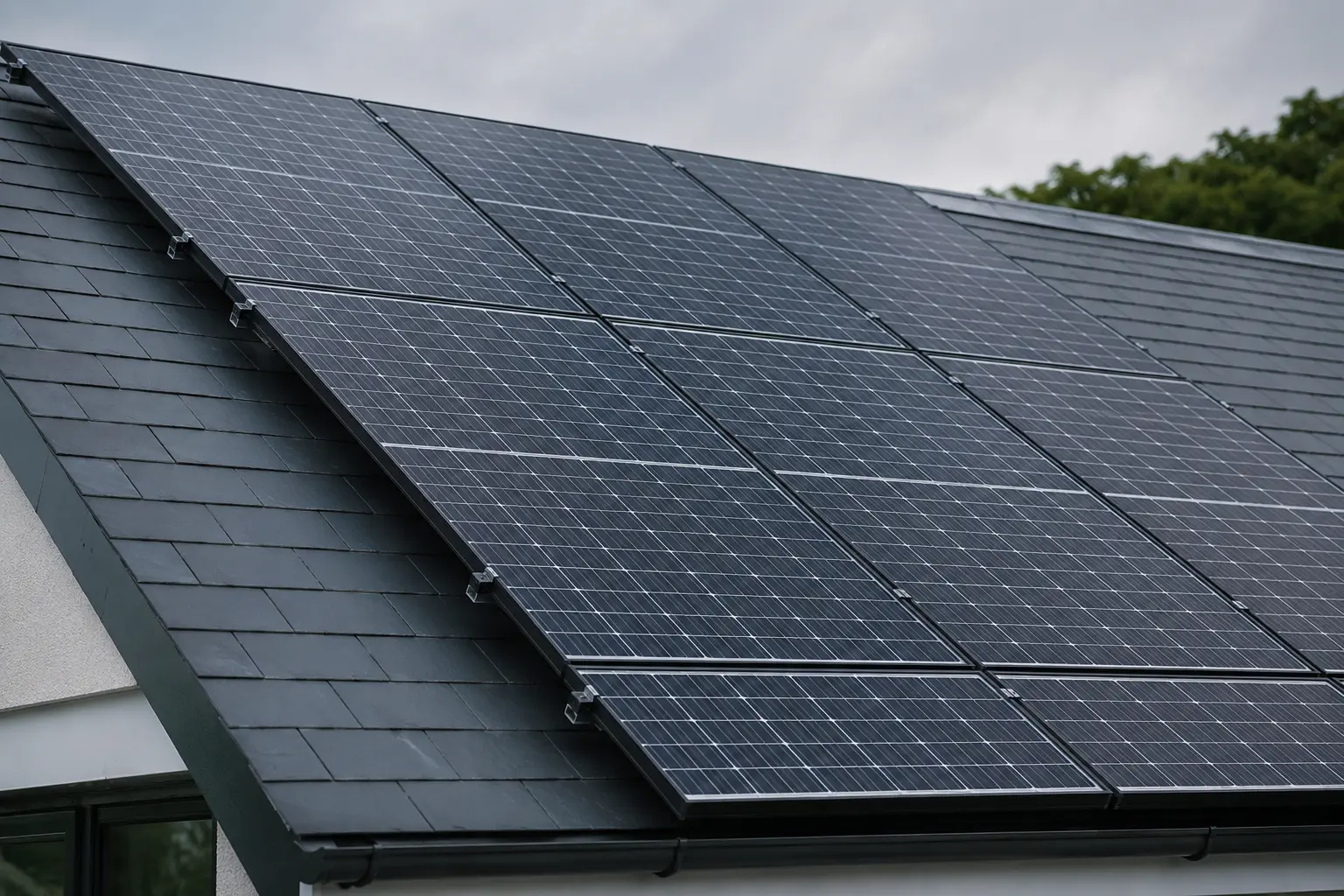
Running Savings and the Real Cost After the SEAI Grant
The upfront price is only half the picture. Solar cuts the electricity you buy from the grid, and you are paid for the surplus you export, which for many homes works out at an indicative payback of roughly six to nine years, then low-cost power after that. Your own figure depends on your usage, your electricity price and the roof, so treat it as a guide rather than a forecast.
The SEAI solar PV grant of up to €1,800 is a set contribution (as of July 2026, per SEAI), so the real solar panel cost you pay is the installed price minus that grant. SEAI requires the installer to be on its registered contractor list, and installers here are listed from the SEAI register (checked July 2026).
Find solar installers near youSolar Panel Cost in Ireland, Answered
How much do solar panels cost in Ireland?
A standard 4 kWp home system costs between €8,000 and €12,000 before grants. The SEAI solar PV grant of up to €1,800 brings the net cost down to roughly €6,200 to €10,200 for most homes.
What is the SEAI solar PV grant worth?
The SEAI solar PV grant is worth up to €1,800 for a domestic system as of July 2026, per SEAI, and SEAI requires the installer to be on its registered contractor list. Installers listed on hvacinireland.ie are drawn from the SEAI register, so confirm current registration on SEAI before you book.
How much does a solar battery add to the cost?
A battery typically adds €2,000 to €4,000, taking a full system to around €10,000 to €16,000. It stores daytime generation for evening use, so it suits homes that are empty during the day.
Do solar panels pay for themselves in Ireland?
Indicative payback is roughly 6 to 9 years for many homes, through lower bills and payments for electricity exported to the grid. That is an illustration rather than a figure for your house: it moves with how much electricity you use and when, the price you pay for it, roof orientation and shading. Using more of what you generate shortens it, and a battery can help with that.
Do solar panels work in the Irish climate?
Yes. Solar PV panels generate from daylight, not direct sun, so they produce useful electricity across the Irish year, most in summer. A south-facing roof performs best, but east and west roofs work well too.
Does solar pair well with a heat pump?
Yes. Panels offset the extra electricity a heat pump draws, which improves the running-cost case for both, so many homeowners fit them together as part of one upgrade.
How many solar panels does a typical Irish home need?
Around 10 to 12 panels, which is the 4 kWp system size most Irish family homes fit. Smaller homes and apartments are often served by 5 to 6 panels at around 2 kWp.
Is a solar battery worth adding?
A battery stores daytime generation so you use it in the evening instead of buying from the grid, which improves the running-cost case. It typically adds €2,000 to €4,000, so whether it pays depends on how much of your electricity you currently use during daylight hours.
Do I need a registered electrician for solar panels?
Yes. A solar PV installation has to be certified and registered with the grid by a registered electrician, who also handles any consumer-unit work the connection needs.
More on Solar, Heat Pumps and Grants
 SEAI Grants Explained How the SEAI home energy grants work and how to apply. Read guide What Order to Do a Home Energy Upgrade Insulation, roof, heat pump then solar, in the right order. Read guide
 Heat Pump Cost in Ireland What each heat pump system costs, before and after grants. Read guide
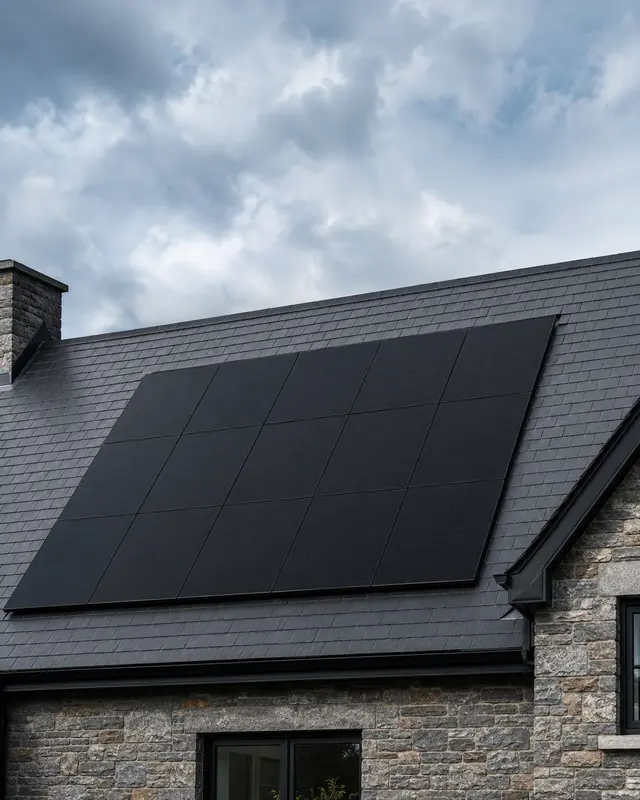 Solar Panel Installers in Ireland SEAI-registered, grant-eligible installers in all 26 counties. Read guide
Solar Panel Cost in Ireland by System Size
What each system size costs installed, how many panels it takes and what the SEAI solar PV grant brings the price down to.
| System size | Panels | Installed cost | Net after SEAI grant | Typical use |
|---|---|---|---|---|
| Around 2 kWp | 5 to 6 | €5,000 to €7,000 | €3,900 to €5,900 | A smaller home or apartment, offsetting daytime use |
| Around 4 kWp | 10 to 12 | €8,000 to €12,000 | €6,200 to €10,200 | The typical Irish family home, and the most common choice |
| 4 kWp with a battery | 10 to 12 plus a battery | €10,000 to €16,000 | €8,200 to €14,200 | Storing daytime generation for use in the evening |
The SEAI solar PV grant is worth up to €1,800 for a domestic system as of July 2026, provided the installer is registered with SEAI. A battery typically adds €2,000 to €4,000 to the installed price.
Get Solar Quotes From Installers Near You
A survey gives the most accurate solar panel cost for your home. Installers here are listed from the SEAI register, and SEAI support for solar PV is up to €1,800, with eligibility decided by SEAI.
Two roofs of the same size can carry very different systems. Orientation and pitch set how much a panel generates, the state of the roof covering decides whether anything needs doing before the rails go on, and the existing consumer unit determines how much electrical work the connection involves. A survey prices your roof rather than an average one, and it is also where the question of a battery gets settled, because that depends on how much of your electricity you use during daylight.