
Solar Thermal Installers in Ireland
SEAI-registered solar thermal installers across all 26 counties. Cut your hot water costs, grant-eligible and ready to quote.
Grant figures confirmed against SEAI
What a Solar Thermal Installer Does, and Why Registration Matters
Solar thermal installers in Ireland fit roof collectors that use the sun to heat your domestic hot water, cutting the cost of heating water all year. The one thing that decides whether you can claim the SEAI grant is that the installer is registered with SEAI.
Every solar thermal installer listed on hvacinireland.ie is drawn from the official SEAI register. Choosing an unregistered installer would forfeit the grant, which is why registration is checked on every listing. You contact the installer directly, with no middleman.
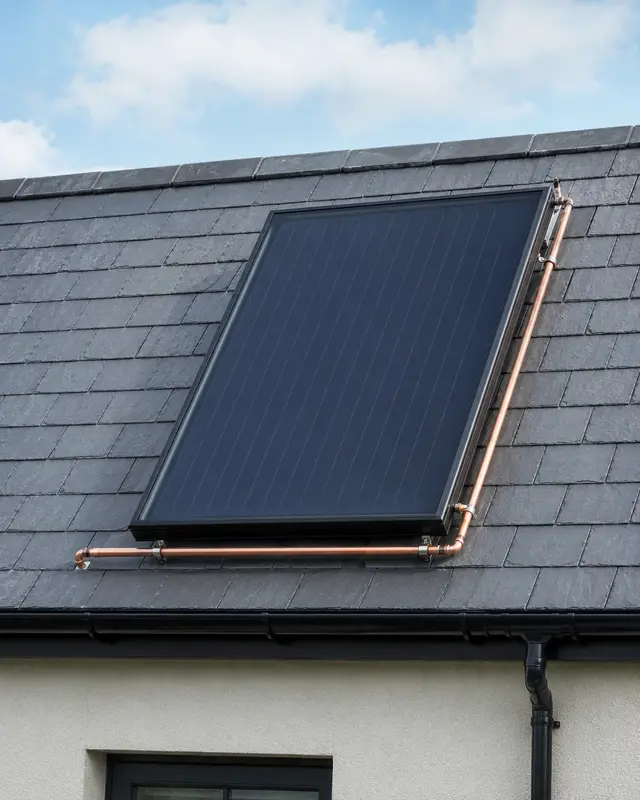
Signs Solar Thermal Suits Your Home
Solar thermal suits your home best when your household gets through a lot of hot water, because a roof collector heats that water for free once the sun is up. A busy family home with a hot water cylinder, or the space to add one, is exactly the setup where a solar thermal system earns its keep.
- Your household uses a lot of hot water, with showers, baths and washing most days
- You have a family home rather than a one or two person household
- You already have a hot water cylinder, or room in the airing cupboard to fit one
- Your roof faces roughly south, south-east or south-west with little shading
- You heat water with gas, oil or the immersion and want to cut that cost
Fitting or upgrading the hot water cylinder is plumbing work, so a solar thermal installer usually pairs with a plumber for the tank and pipework. If yours needs replacing first, an RGI-registered plumber at plumbersinireland.ie can size and fit the cylinder before the collectors go up.
Solar Thermal Cost in Ireland
A domestic solar thermal system typically costs between €4,000 and €6,000 installed, before the SEAI grant.
Solar thermal cost in Ireland depends on the collector type and how many people the system serves. Flat-plate collectors sit at the lower end and evacuated tubes cost a little more, while larger households need a bigger cylinder, which is why most installed systems land between €4,000 and €6,000 before the €1,200 SEAI grant.
The installed price covers the roof collectors, a twin-coil hot water cylinder sized to your household, the pump station that moves the fluid between the two, the controls, and the pipework that ties it into your existing heating. If your current cylinder is old or single-coil, replacing it is usually part of the job.
Where you land in the range depends on the collector you choose, whether the cylinder needs replacing, and how easy the roof is to reach. A straightforward south-facing roof with a modern cylinder already in place is the cheaper end, while evacuated tubes and a new tank move it up. An itemised quote after a survey is the only way to a firm figure.
Solar thermal heats water rather than generating electricity, so it suits homes with high hot water demand, and it works alongside an existing boiler or heat pump, taking over water heating whenever the sun is out.
How to Choose a Solar Thermal Installer in Ireland
Choosing a solar thermal installer in Ireland comes down to a handful of checks that protect both your hot water system and your SEAI grant. Registration is the first, because only an SEAI-registered installer can unlock the grant, and the rest sort a careful fit from a rushed one.
SEAI Registration
Confirm the installer is on the official SEAI register. It is a requirement for the solar water heating grant, and every installer listed here already carries it.
A Roof and Cylinder Survey
A good installer surveys your roof pitch, orientation and shading, along with your hot water cylinder, before quoting rather than pricing the job blind.
An Itemised Quote
Ask for the collectors, cylinder, pump station and controls listed separately, so you can see what the grant covers and what you pay.
References and Recent Work
Ask for recent solar thermal installs in your county and a workmanship warranty. Local experience with Irish roofs and weather matters.
Clear Grant Handling
The installer should walk you through the SEAI solar water heating grant. It is only paid when a registered installer does the work, so the paperwork matters.
A Registered Plumber for the Cylinder
Connecting the collectors to a hot water cylinder is plumbing work. Check the installer uses a registered plumber for the tank and pipework.
Flat-Plate vs Evacuated-Tube vs Solar PV for Hot Water
Most Irish homes heat their hot water with either a flat-plate or an evacuated-tube solar thermal collector, while solar PV with a diverter is a third route. Here is how the three compare on cost, grant, winter performance and what else they give you.
| Flat-Plate Collector | Most common Evacuated-Tube Collector | Solar PV With Diverter | |
|---|---|---|---|
| Typical cost | €4,000 – €6,000 | €4,500 – €6,500 | €5,000 – €9,000 |
| SEAI grant | €1,200 | €1,200 | Separate solar PV grant |
| Best for | Steady all-round hot water | High hot water demand | Power and hot water together |
| Winter performance | Good | Better in low sun | Follows the daylight |
| Also gives electricity | No | No | Yes |
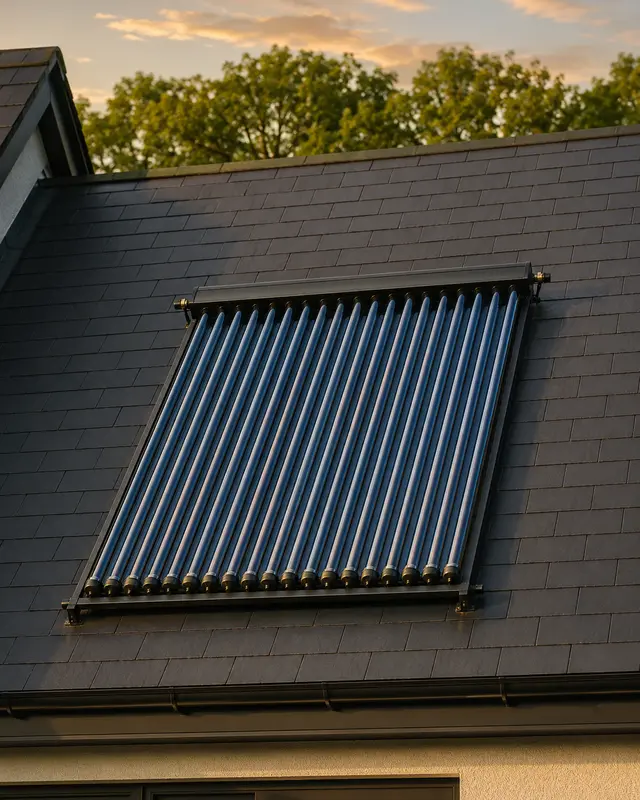
For most Irish homes an evacuated-tube collector is the common choice, holding its performance better through the darker, cooler months, while a flat-plate collector is a robust, lower-cost all-rounder. Solar PV with a diverter suits homes that want electricity as well as hot water. All costs here are indicative and confirmed by your installer at survey.
Solar Thermal Running Costs and Hot Water Savings
Solar thermal running costs come to very little once the system is installed, because the sun does the heating and the only power drawn is a small circulating pump. Through an Irish summer a solar thermal system can cover most or all of your hot water, so the immersion and the boiler barely run for water at all.
The saving is largest from late spring to early autumn and tapers over winter, when the boiler or a heat pump tops up the cylinder. Payback depends on how much hot water you use and what you are replacing, and is often put at roughly seven to fifteen years, which is indicative and confirmed at survey.
- Free hot water on sunny days, with only a small pump using electricity
- Cuts immersion and boiler use for hot water right through the warmer months
- Indicative payback of roughly seven to fifteen years, depending on your usage
- Works alongside a heat pump or boiler that handles winter top-up and space heating
Solar Thermal in Every County
Pick your county to see SEAI-registered solar thermal installers covering your area.

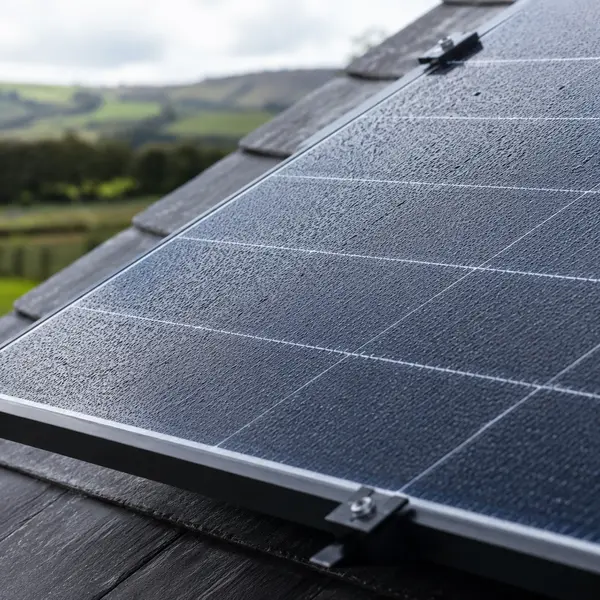
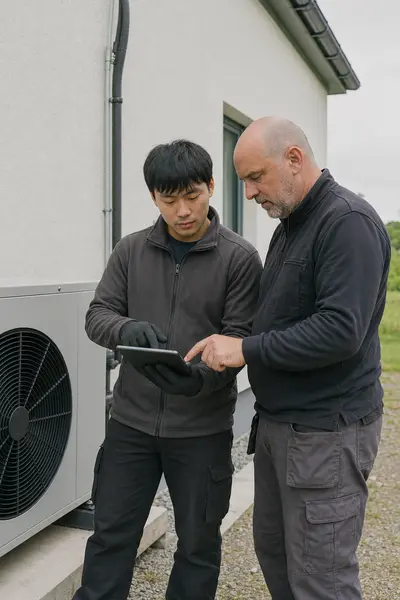
The SEAI Solar Thermal Grant
The SEAI solar water heating grant is worth €1,200 towards a solar thermal system. To claim it, the installer must be registered with SEAI, and every solar thermal installer listed here carries that registration.
Because solar thermal only heats water, it is often chosen by households with high hot water use, and it works alongside a boiler or heat pump rather than replacing it.
- SEAI solar water heating grant of €1,200
- Installer must be SEAI-registered, every listed installer is
- Grant-eligible and ready to quote across all 26 counties
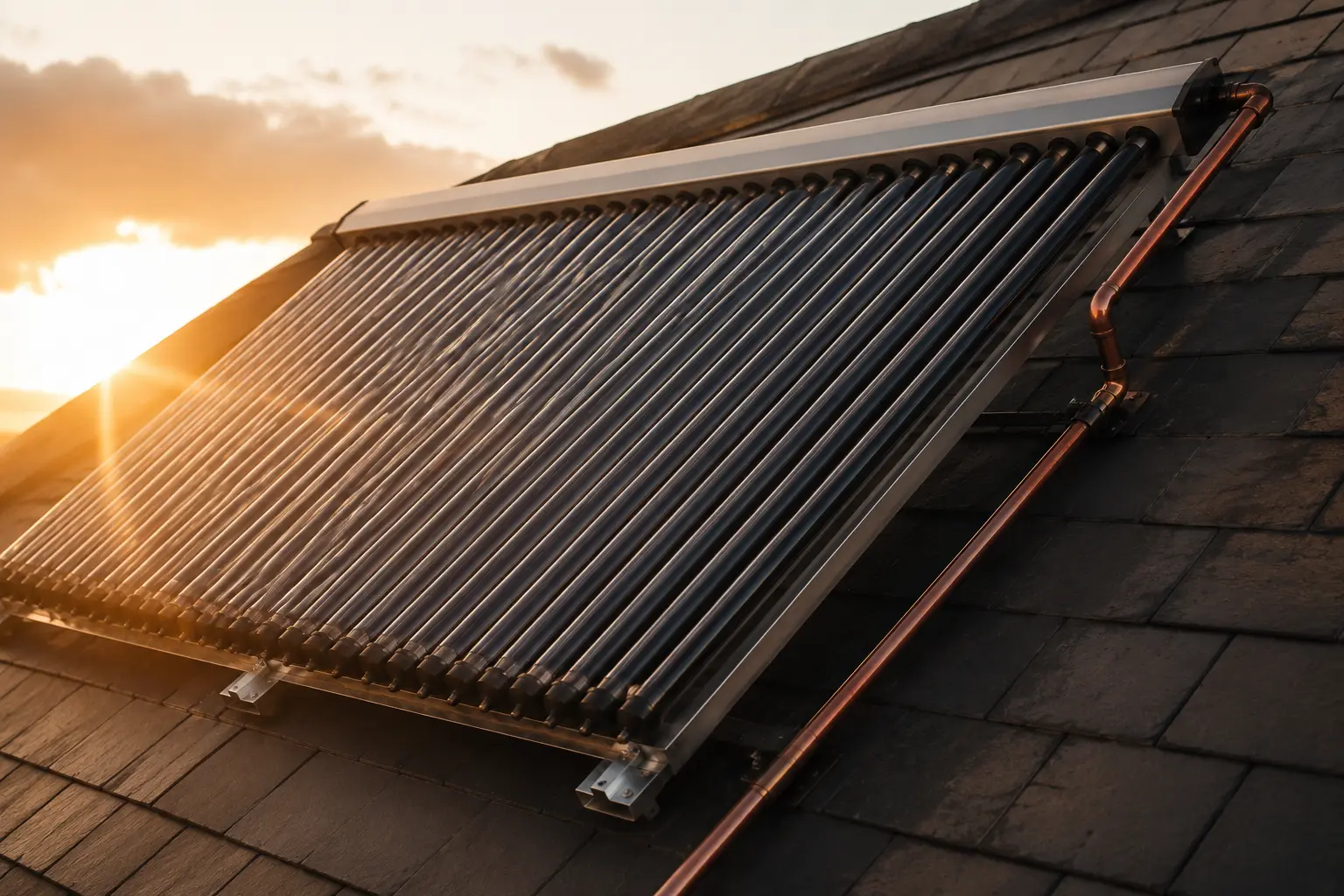
From Choosing an Installer to Hot Water From the Sun
Solar thermal installation follows the same path for most Irish homes.
Choose an SEAI-registered installer
Pick a solar thermal installer in your county from the listings. Every installer here is on the official SEAI register, which is required to claim the grant.
Book a home assessment
The installer assesses your roof, hot water demand and existing cylinder, and sizes the collector and tank to suit your household.
Installation
Collectors are fitted to the roof and connected to a hot water cylinder, usually in a day or two, with tidy pipework routed inside.
Apply for the SEAI grant
You apply to SEAI once the work is complete. SEAI pays the solar water heating grant directly into your bank account, usually within six to eight weeks.
Solar Thermal by County
SEAI-registered solar thermal installers cover every county in Ireland, from Dublin and Cork to Galway, Mayo and Donegal. Pick your county to see who covers your area and how many installers are listed.
Solar Thermal Installers in Ireland, Answered
How much does solar thermal cost in Ireland?
A domestic solar thermal system typically costs between €4,000 and €6,000 installed, before the SEAI solar water heating grant of €1,200. The final figure depends on the collector type, the number of tubes or panels and whether a new hot water cylinder is needed, so your installer confirms it at the survey.
What SEAI grant is available for solar thermal?
The SEAI solar water heating grant is worth €1,200, provided the installer is registered with SEAI. Every installer listed here is SEAI-registered, and you apply to SEAI once the work is complete.
Does solar thermal work in the Irish climate?
Yes. Solar thermal collectors produce useful hot water even on overcast days, and cut water-heating costs across the year, most of all through the summer. Evacuated-tube collectors in particular hold their output well in the lower winter sun.
How much hot water will a solar thermal system provide?
A well-sized solar thermal system typically supplies a large share of a household's hot water across the year, most of it from late spring to early autumn. In peak summer it can cover close to all of your hot water, while in winter it pre-warms the water and your boiler or heat pump does the rest. Your installer sizes the collectors and cylinder to your household at the survey.
Flat-plate or evacuated-tube collectors, which is better?
Both work well on Irish roofs. Flat-plate collectors are robust and lower cost, and suit steady all-round hot water. Evacuated-tube collectors tend to hold their performance better in low winter sun, which is why they are the more common choice, though they usually cost a little more. Your installer recommends the right type for your roof and hot water demand.
Do I need a new hot water cylinder for solar thermal?
Often, yes. Solar thermal needs a cylinder with a dedicated solar coil, so if your existing tank does not have one it is usually replaced as part of the install. Fitting the cylinder is plumbing work, and many installers pair with a registered plumber for the tank and pipework.
Does solar thermal need planning permission in Ireland?
For most houses, no. Roof-mounted solar collectors are generally exempt from planning permission in Ireland, subject to conditions on their size and how they sit on the roof. Protected structures and some designated areas can be different, so your installer confirms the requirements before fitting.
What is the difference between solar thermal and solar PV?
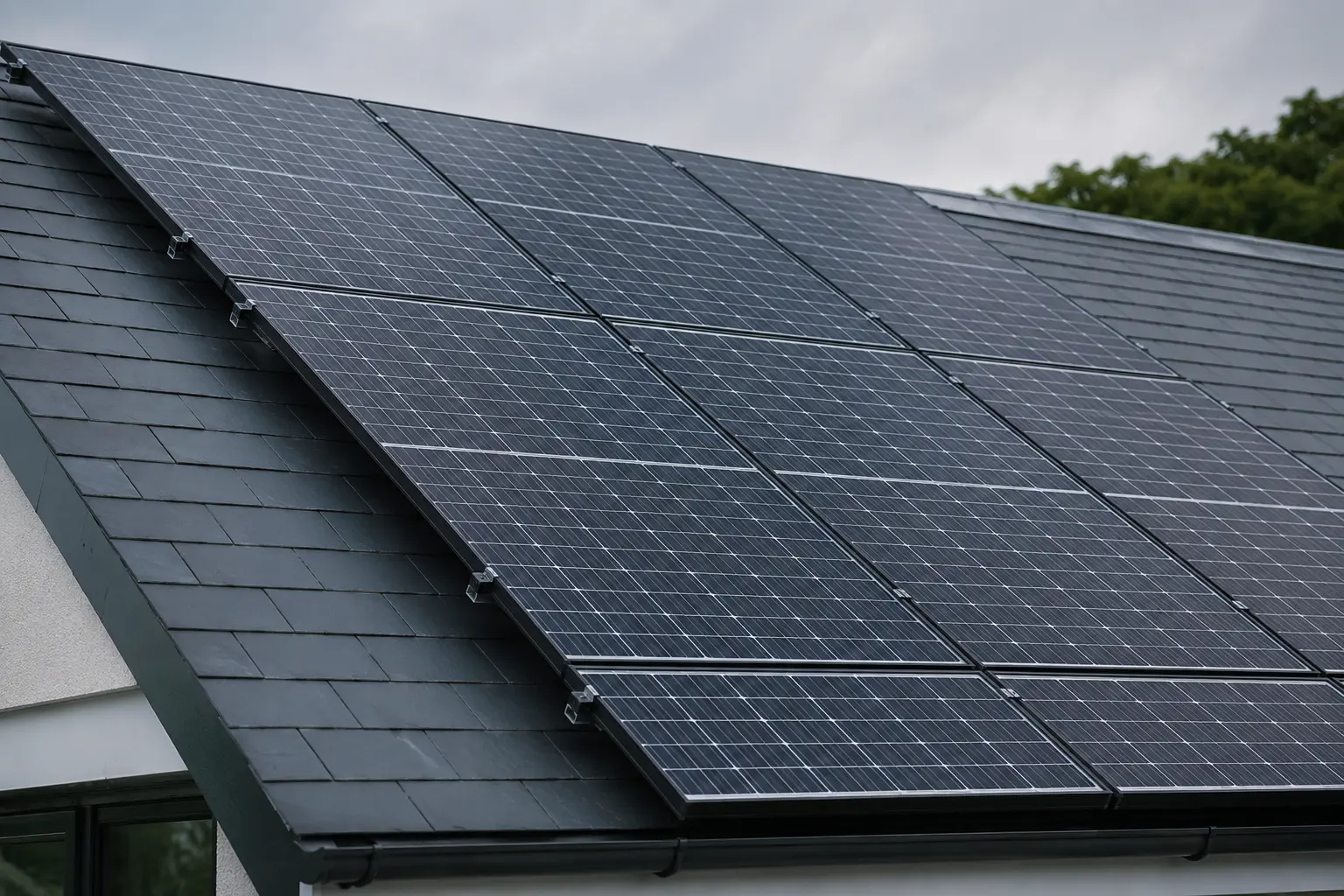
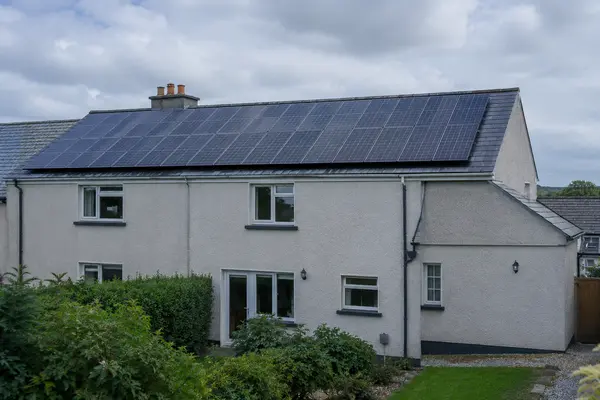
Solar thermal heats your hot water using roof collectors. Solar PV generates electricity using panels. They solve different problems, and some homes fit both, or use solar PV with a diverter to send spare electricity to the immersion.
Can I have solar thermal with a heat pump?
Yes. Solar thermal handles hot water while a heat pump handles space heating, and the two work well together in the right home. The heat pump tops up the cylinder through the darker months when the collectors gather less.
How long does a solar thermal system last?
A quality solar thermal system typically lasts twenty years or more, with the collectors being the longest-lived part. The pump and controls may need attention over that time, and a simple check every year or two keeps the system working efficiently and protects any warranty.

Read Up Before You Choose a Solar Thermal Installer

SEAI grants explained
How the SEAI home energy grants work and how to apply.
Read the guide
Heat pump cost in Ireland
What a heat pump costs, before and after grants.
Read the guide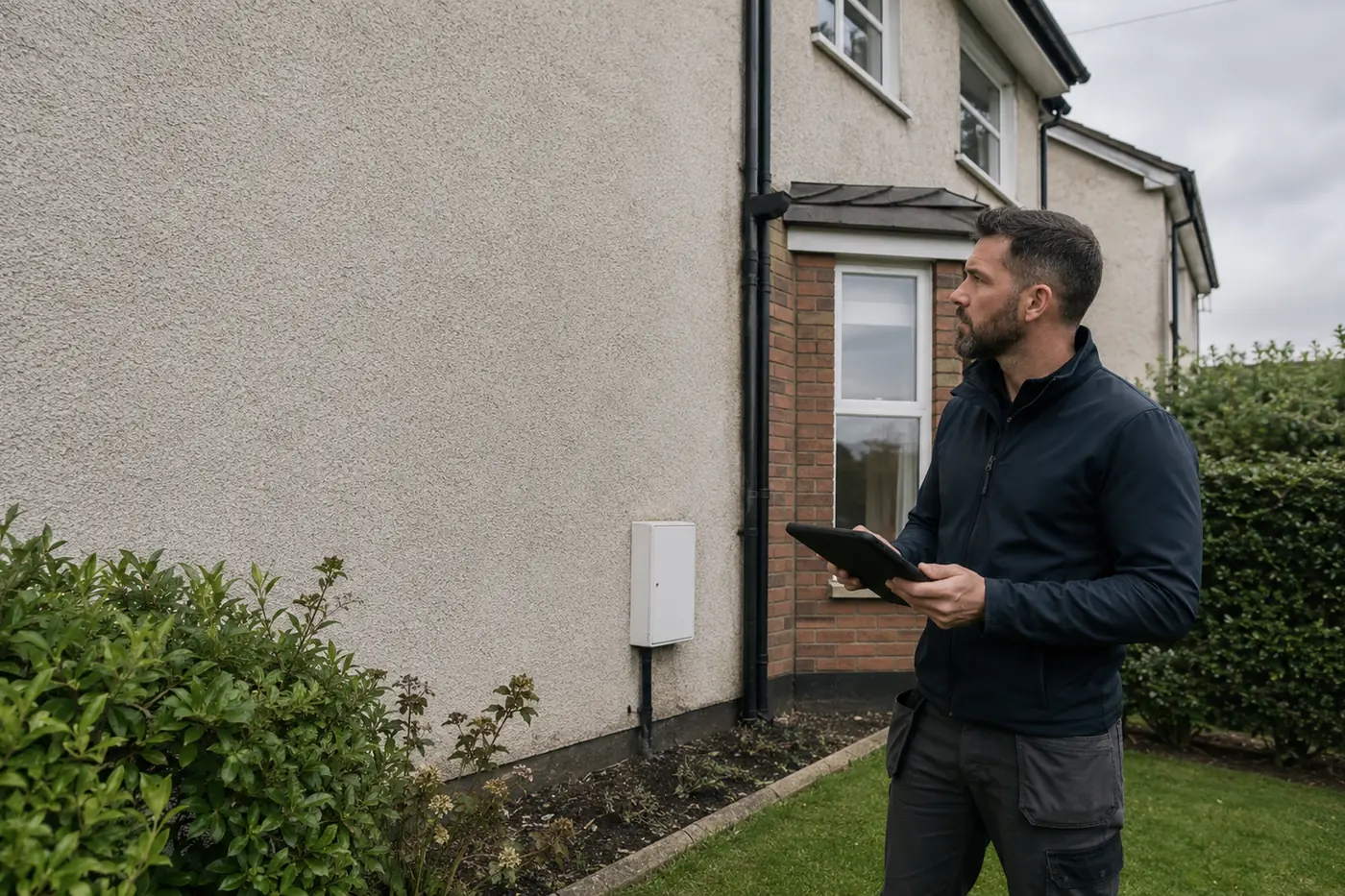
Is my home suitable?
Whether your home is ready for renewable heating.
Read the guide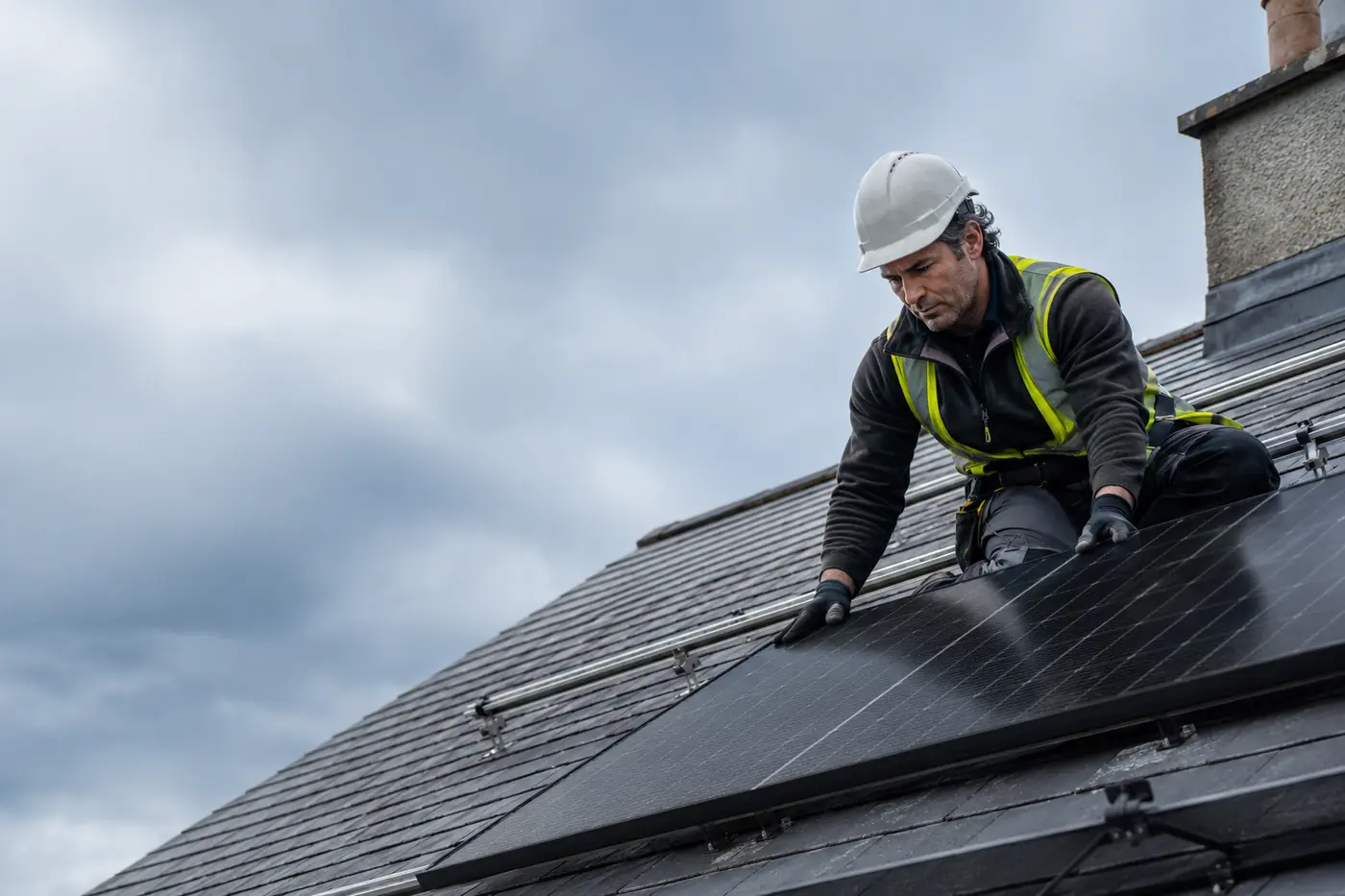
Solar panel cost in Ireland
What a solar PV system costs by size, with and without a battery.
Read the guideGet Quotes From SEAI-Registered Solar Thermal Installers Near You
Solar thermal installers in Ireland are free to contact here, with no obligation. Every installer is SEAI-registered and grant-eligible.
Free to use, no obligation, every installer SEAI-registered