

Is My Home Suitable for a Heat Pump?
Insulation, BER and radiators decide whether a heat pump will keep your home warm. Here is how to tell, and what the free survey checks.
Grant figures confirmed against SEAI
Whether Your Home Is Suitable for a Heat Pump Comes Down to How Well It Holds Heat
Whether your home is suitable for a heat pump comes down to one thing, how well it holds heat. A heat pump delivers warmth at a lower temperature than a boiler, so it works best in a home that does not lose that warmth quickly. Most Irish homes get there, some as they are and some after a fabric upgrade.
Insulation comes first
Insulation is the single biggest factor in heat pump suitability. Attic insulation, wall insulation and reasonable airtightness let a heat pump keep the home warm at a low flow temperature, which is exactly where it runs most efficiently. Homes built after 2000 usually have enough already, while older homes often upgrade insulation first. Use an SEAI-registered insulation contractor so the work qualifies for its own grant.
Airtightness matters as much as the insulation itself. A house can be well insulated and still lose warmth through gaps around windows, doors, floors and the attic hatch, and a heat pump running at a low flow temperature feels that loss more than a boiler cycling at a high one. Draught sealing is usually the cheapest single improvement available, and it is often done alongside insulation rather than as a job of its own.
None of this is a pass or fail test. There is no BER threshold below which a heat pump cannot be fitted, and plenty of older Irish homes run one well. What a lower BER changes is the running cost rather than the possibility, which is why an installer will usually point at the fabric before quoting for the system. Improving the fabric first is the difference between a heat pump that costs what you expect to run and one that does not.

What Decides Heat Pump Suitability in an Irish Home
Beyond insulation, three things decide whether a heat pump will run efficiently and keep your home warm at a low flow temperature.
What your BER rating tells you
A BER of C or better is a good sign a heat pump will run efficiently as it is. There is no hard cut-off, so a lower BER does not rule a heat pump out, it flags that insulation and airtightness are worth improving first to keep running costs down.
Radiators and heat emitters
A heat pump runs cooler than a boiler, so radiators need to be big enough to give out the same heat at that lower temperature. In many homes most are fine and only a few need upsizing. Underfloor heating is ideal but not required.
Hot water and the cylinder
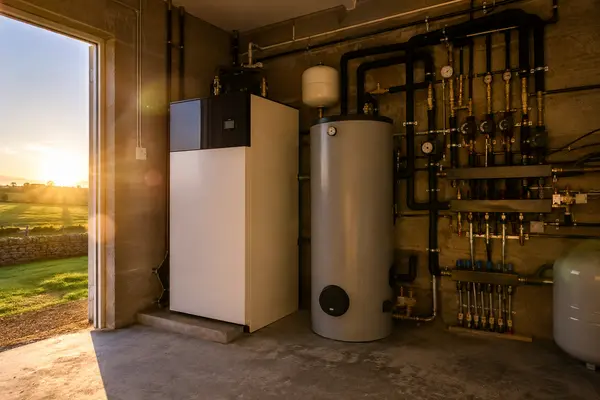
A heat pump heats domestic hot water through a cylinder. Homes without one, or with an older direct cylinder, usually need a new hot water cylinder sized to the household. The survey confirms what your home needs.
The Free Home Survey Confirms Whether Your Home Is Heat Pump Ready
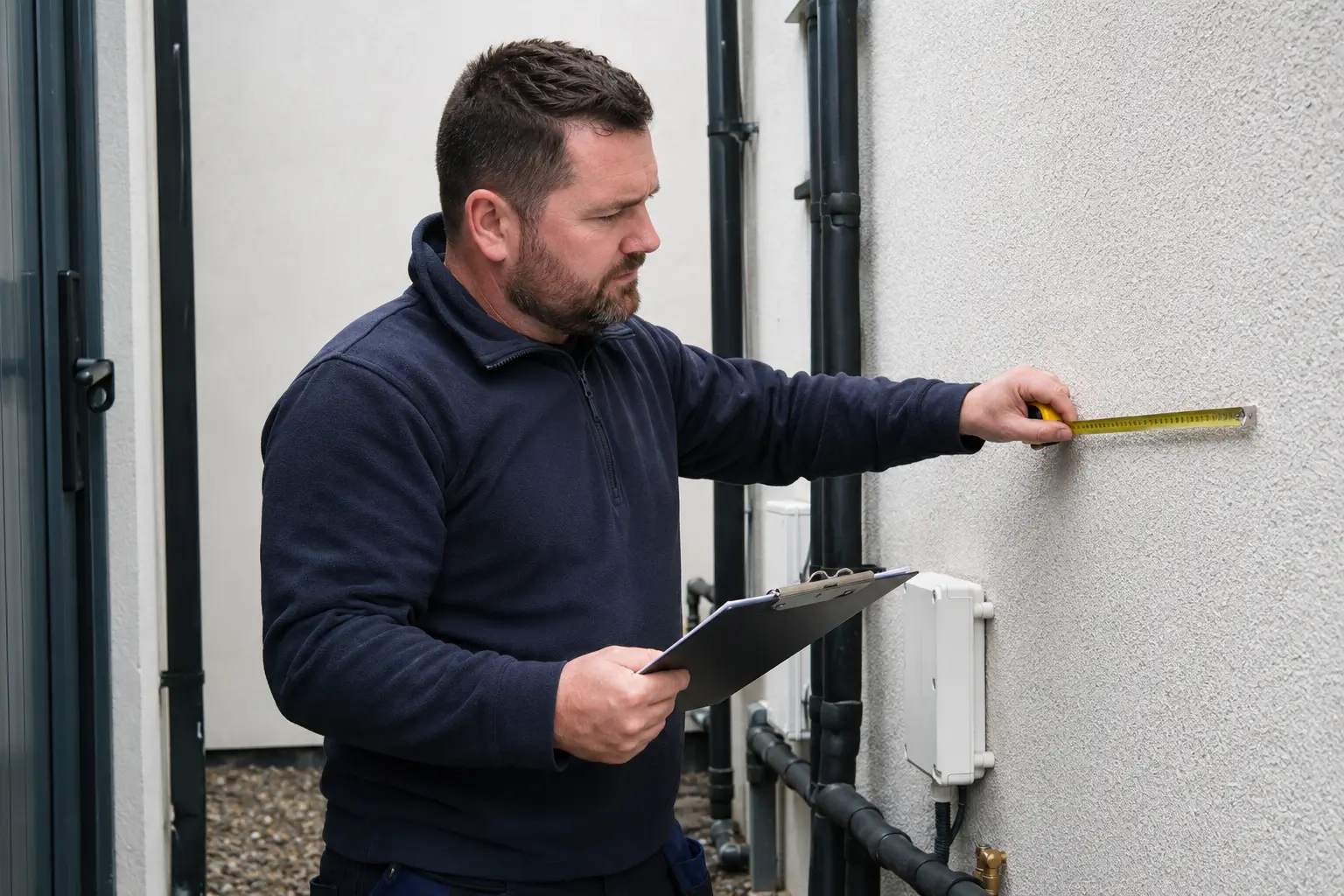
The reliable answer to whether your home is suitable for a heat pump comes from a survey. An SEAI-registered installer assesses insulation, radiators and hot water needs, confirms the home is heat pump ready, and sizes the system correctly.
Many installers offer the survey without charge, so ask, and it is the step that turns a guess into a plan. SEAI support for a heat pump is up to €12,500 (as of July 2026), and SEAI sets the eligibility rules, including the age of the home, so check eligibility with SEAI.
Find an installer near youHeat Pump Suitability, Answered
Is my home suitable for a heat pump?
Most homes built after 2000 with reasonable insulation are suitable. Older homes can work too, often after an insulation upgrade. A BER of C or better is a good sign, and a free home survey confirms it either way.
What BER do I need for a heat pump?
There is no hard cut-off, but a BER of C or better means a heat pump will run efficiently as-is. A lower BER does not rule a heat pump out, it just means insulation and airtightness are worth improving first.
Do I need to change my radiators?
Sometimes. A heat pump runs at a lower flow temperature than a boiler, so undersized radiators may need upsizing or a couple replaced. Underfloor heating is ideal but not required. The survey identifies which emitters need attention.
Can an old house have a heat pump?
Yes, once the fabric is reasonable. Many older Irish homes install a heat pump after upgrading attic and wall insulation. The key is reducing heat loss so the heat pump can keep the home warm at a low flow temperature.
How do I find out if my home qualifies?
A heat pump installer can carry out a home survey, and many offer it free. They assess insulation, radiators and hot water needs, advise on suitability, and size the system. Installers listed here are checked against the SEAI register, but confirm registration on SEAI's site before you book.
Does insulation have to be done first?
Not always, but good insulation is what lets a heat pump run cheaply. Many Irish homes upgrade attic and wall insulation before or alongside the heat pump so the system is sized smaller and running costs stay low.
Does my home need underfloor heating for a heat pump?
No. Underfloor heating suits a heat pump well because it runs at a low temperature across a large surface, but it is not required. Radiators work provided they are big enough to give out the same heat at that lower temperature.
Where does the outdoor unit go?
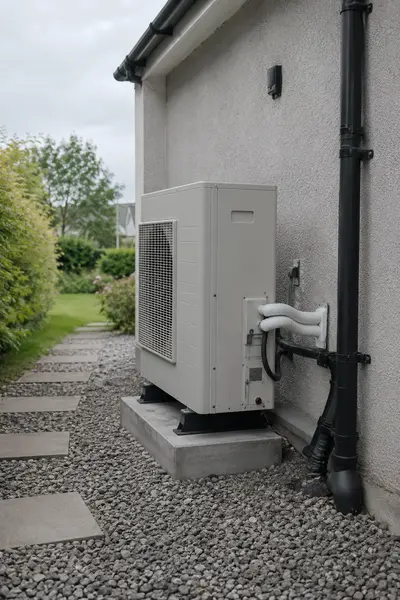
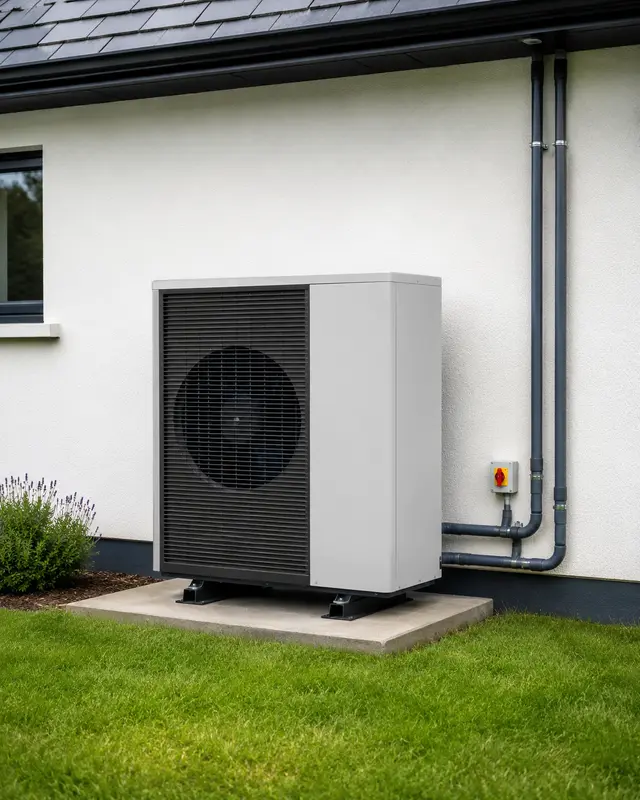
It needs a spot with clear airflow that does not block access around the house, most often a stretch of side or rear wall on a small plinth. A survey confirms the position, and an installer will not site a unit where it would block a passage or a bin run.
Does a heat pump need a hot water cylinder?
An air-to-water or ground source heat pump does, because it heats domestic hot water through a cylinder. An air-to-air system heats the air only and does not provide hot water at all.
More on Heat Pumps and SEAI Grants
 SEAI heat pump grant explained How the grant of up to €12,500 (as of July 2026) works and how to apply. Read guide
 Heat pump cost in Ireland What air source and ground source systems cost, before and after grants. Read guide
 Air source vs ground source The two heat pump types compared on cost and efficiency. Read guide
 Heat pump installers in Ireland SEAI-registered installers covering all 26 counties. Read guide
Heat Pump Suitability Checks an Installer Makes
The four things a survey actually looks at, what each one decides, and what a good result looks like.
| What is checked | Why it matters | What a good sign looks like |
|---|---|---|
| BER rating | It indicates how much heat the house loses, which sets how hard the system has to work | A BER of C or better. There is no hard cut-off, and a lower BER does not rule a heat pump out |
| Radiators and heat emitters | A heat pump runs cooler than a boiler, so emitters must give out the same heat at a lower temperature | Most radiators already large enough, with only a few needing upsizing. Underfloor is ideal but not required |
| Hot water cylinder | A heat pump heats domestic hot water through a cylinder rather than on demand | A cylinder already in place and sized to the household. Homes without one usually need a new cylinder |
| Outdoor space for the unit | The outdoor unit needs a spot with airflow that does not block access around the house | A clear stretch of wall or a side return where the unit can sit without blocking a passage |
None of these are pass or fail on their own. A survey weighs them together, which is why it gives an answer a checklist cannot.
Have an Installer Confirm Your Home Is Suitable for a Heat Pump
A survey is the way to confirm your home is suitable for a heat pump. Installers here are checked against the SEAI register (checked July 2026), and SEAI support is up to €12,500 (as of July 2026), so confirm registration and eligibility with SEAI.
A survey answers what a checklist cannot. It measures the heat the house actually loses, checks whether the existing radiators can carry that heat at a lower flow temperature, and finds the spot outside where a unit can sit without blocking access. Those three answers decide both suitability and cost.